
TL;DR
- As you dive into the world of enterprise billing software, you'll discover it's a game-changer for large businesses with its ability to streamline billing, from invoice generation to payment tracking.
- This software stands apart from traditional systems because it can handle a high volume of transactions, offer flexible pricing, and provide a unified billing experience.
- It's vital for scalability, allowing for mixed subscription models and automating routine tasks to free up resources.
- You need to ensure the software adheres to the highest security standards to protect sensitive customer data.
- Check for compatibility with other tools in your enterprise suite to streamline operations.
- When choosing the right software, you should list your requirements and focus on security, scalability, and integration capabilities.
- The benefits are clear: reduced errors, cost savings, insightful data analysis, and the agility to adapt to business changes.
- Embrace enterprise billing software to protect your growth trajectory and ensure your billing system is an asset, not an obstacle.
Every transaction, large or small, counts. With the rise in the volume of business activities, the task of billing has shifted from being a routine clerical function to a strategic operation. As companies expand and diversify, managing a myriad of transactions efficiently becomes crucial. Let's see how enterprises should choose an enterprise billing system.
What is Enterprise Billing Software?
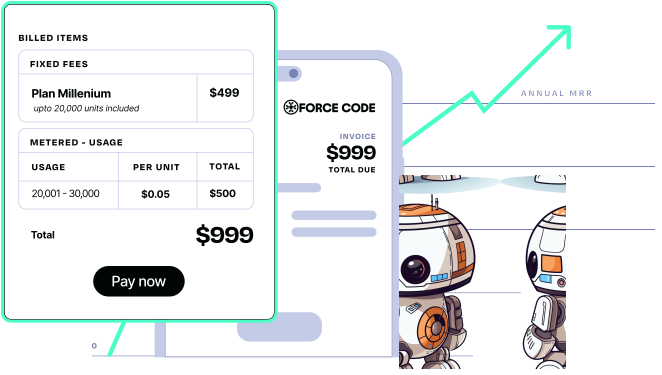
In its essence, enterprise billing software is a sophisticated tool designed to handle the billing processes of large-scale businesses. Unlike standard invoicing tools, these systems are built to tackle a myriad of transactions, across various departments and geographies. It streamlines the entire billing process, from generating invoices to tracking payments, ensuring everything is accurate and timely.
Traditional Billing Software vs. Enterprise Billing Solution
While both might seem similar at the outset, traditional billing solutions and enterprise billing are worlds apart in terms of functionality and capacity. Here's how:
Traditional Billing System:
This is a generic invoice tool designed for businesses of all sizes. It usually caters to basic invoicing needs, such as creating invoices, tracking payments, and sending reminders.
Enterprise Billing:
Tailored specifically for large-scale operations, this software not only covers the basics but also provides advanced features like real-time analytics, automation, and integration capabilities. It's designed to manage intricate processes seamlessly.
Unique Features of Enterprise Billing System
Hybrid Pricing and Innovative Offer Design
One of the standout features of modern enterprise systems is their flexibility in pricing. They allow businesses to:
- Design tailored pricing models based on customer behavior or market trends.
- Implement a mix of flat-rate, tiered, or usage-based pricing.
- Innovate promotional offers or discounts with ease.
Consolidated Charging, Billing, and Invoices
Enterprises often deal with multiple service or product lines, each with its nuances. Enterprise solutions brings all these under one roof, ensuring:
- Unified customer billing experiences.
- Streamlined operations with reduced manual interventions.
- Real-time updates across all transactional fronts.
- Invoice and quote to cash processes.
Different Payment Methods
The global nature of enterprises necessitates multiple payment methods. A good enterprise billing system:
- Supports a plethora of payment gateways.
- Allows transactions in various currencies.
- Adapts to region-specific payment methods, like digital wallets or bank transfers.
Accelerate Business Growth With Togai's Billing Solution
Schedule a demo!Why are Enterprise Billing Systems Crucial for Modern Businesses?
Scalability: One of the major distinctions between standard billing tools and an enterprise billing system is scalability. Effective billing software will not only accommodate this growth but will thrive in this expanding environment.
Flexible Subscriptions: One of the holy grails for many B2B companies is the combination of annual contracts with monthly overage charges. Your billing tool should allow mixed subscription periods within a single subscription. Without this, your billing structure becomes constricted.
Automated Processes: The billing functionality should automatically generate invoices, send reminders, and process payments, freeing up invaluable manpower and resources.
Customization: Every enterprise billing systems have unique requirements. From tax considerations to different transaction charges to pricing tiers change the software should be tailored to fit the precise needs of the organization.
Automate Processes: Mistakes can cost dearly, both in terms of finances and reputation. Your billing software should automate and minimize these risks, ensuring accuracy in every transaction.
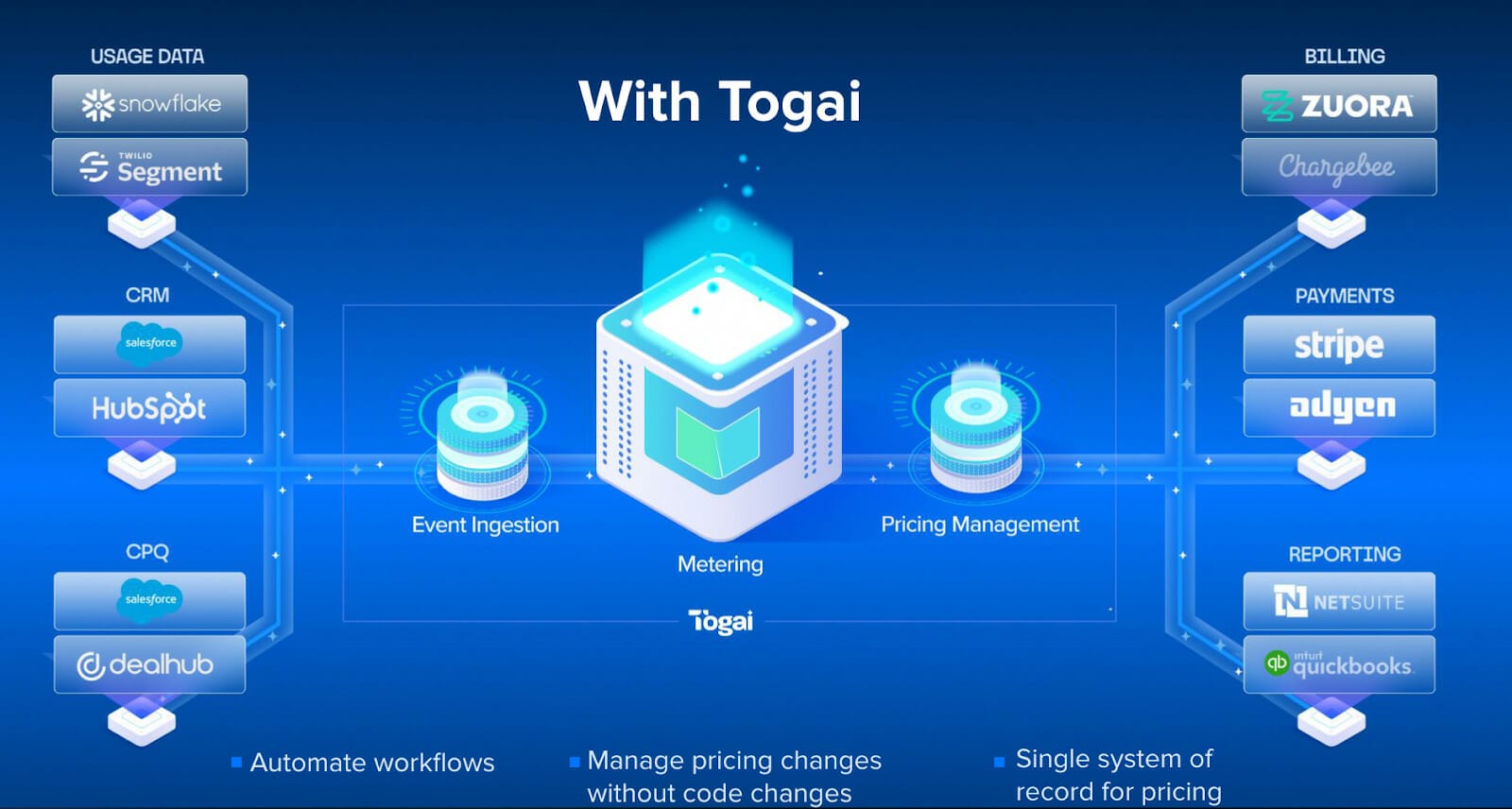
Integration with Other Systems: Sales, marketing, finance, and procurement – work with one another. Your billing system should speak with CRM, CPQ, payment gateways in every region, reporting software, and other internal systems.
Selecting the Right Enterprise Billing Solutions
Understand Your Needs: Before you begin your hunt, list down your specific requirements. Do you need multi-currency support? Or perhaps an integration with a specific CRM? As you expand to newer geographies, you need to have the capability to integrate with multiple payment gateways like PayPal, 2checkout, and so on.
Prioritize Security: Billing and invoicing handle sensitive customer data. Ensure that the software you opt for adheres to the highest security standards.
Seek Scalability: Your chosen software should be able to grow with you. No matter the complex use case, your billing solution should solve for any scenario thrown at it.
Support & Training: Opt for providers that offer robust support and training to ensure smooth onboarding. As an enterprise, you will have multiple systems to fetch data, so your billing system should speak with one another.
Check for Integrations: The billing software should play well with other tools in your enterprise suite. Check for compatibility and streamline your options before committing.
Advantages of Enterprise Billing Solutions
- Eliminate manual errors and resource-intensive tasks, leading to significant cost savings.
- Provides a consolidated view of all billing data.
- Utilize business intelligence tools embedded in the software for insightful decision-making.
- Equipped to handle any number of subscribers, be it subscription-based, one-time, or hybrid.
- Built to evolve and adapt, ensuring it remains relevant in an ever-changing business landscape.
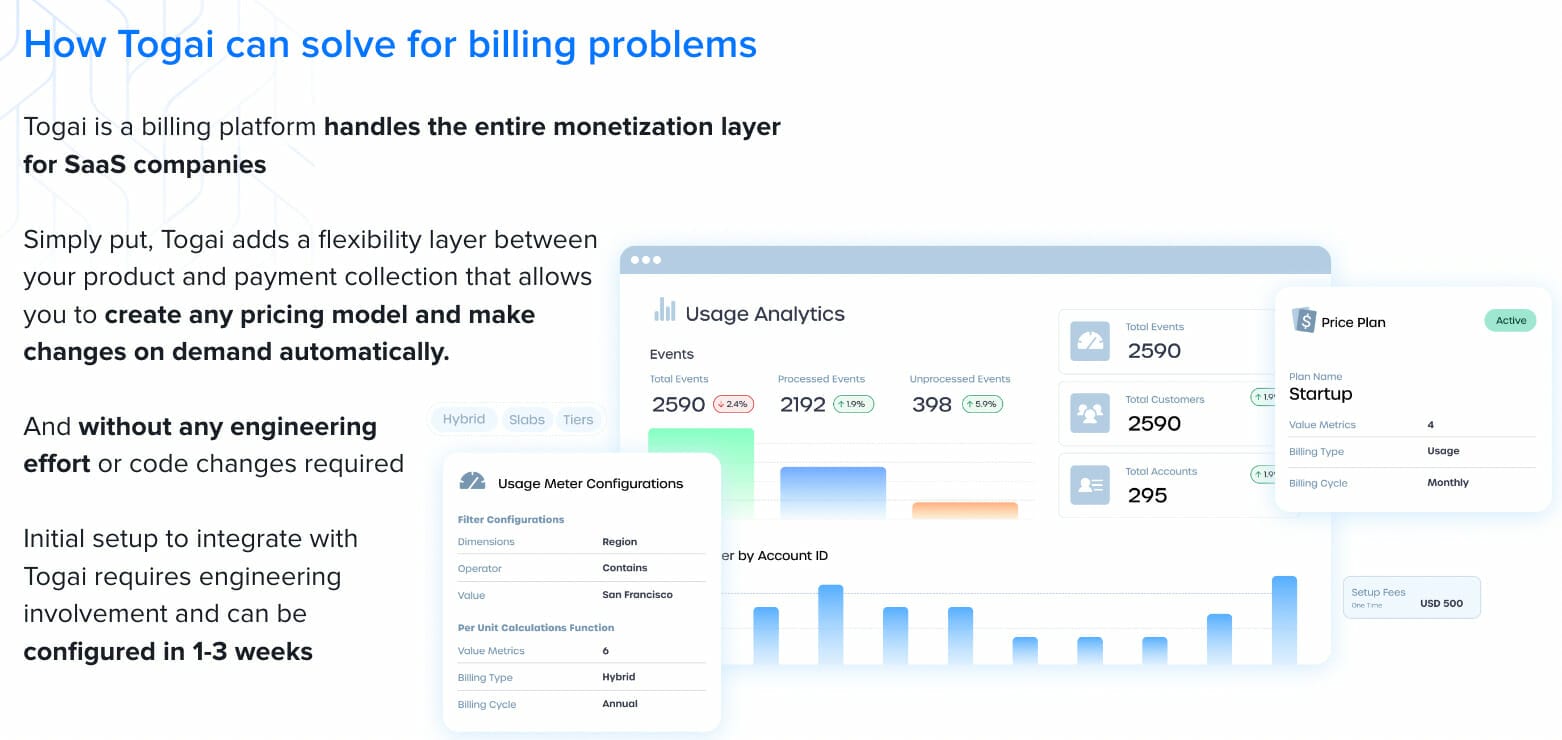
- A faster system setup allows for quicker product or service introductions to the market.
- Enhance customer touchpoints by providing transparent billing details and swift responses.
- Ensures accurate, timely, and easy-to-understand invoicing.
- Advanced tools for improved payment processing, timely collections, and efficient dunning.
- Reliable 24/7 support and services to tackle any unexpected challenges.
- State-of-the-art security features protect sensitive customer data.
Large enterprises should never be shackled by their growth ambitions. As organisations scale, many confront the reality that their once-reliable systems now serve as impediments.
Transitioning to a new billing system can indeed be daunting, consuming both time and effort. Hence, the hesitation many feel in making the switch. However, enterprises should choose the right single platform to ensure this transaction leads to success.